Montreal's Unique Dry-Aged Fish Revolution: A Complete Guide to Specialty Seafood Dining in Canada 2026
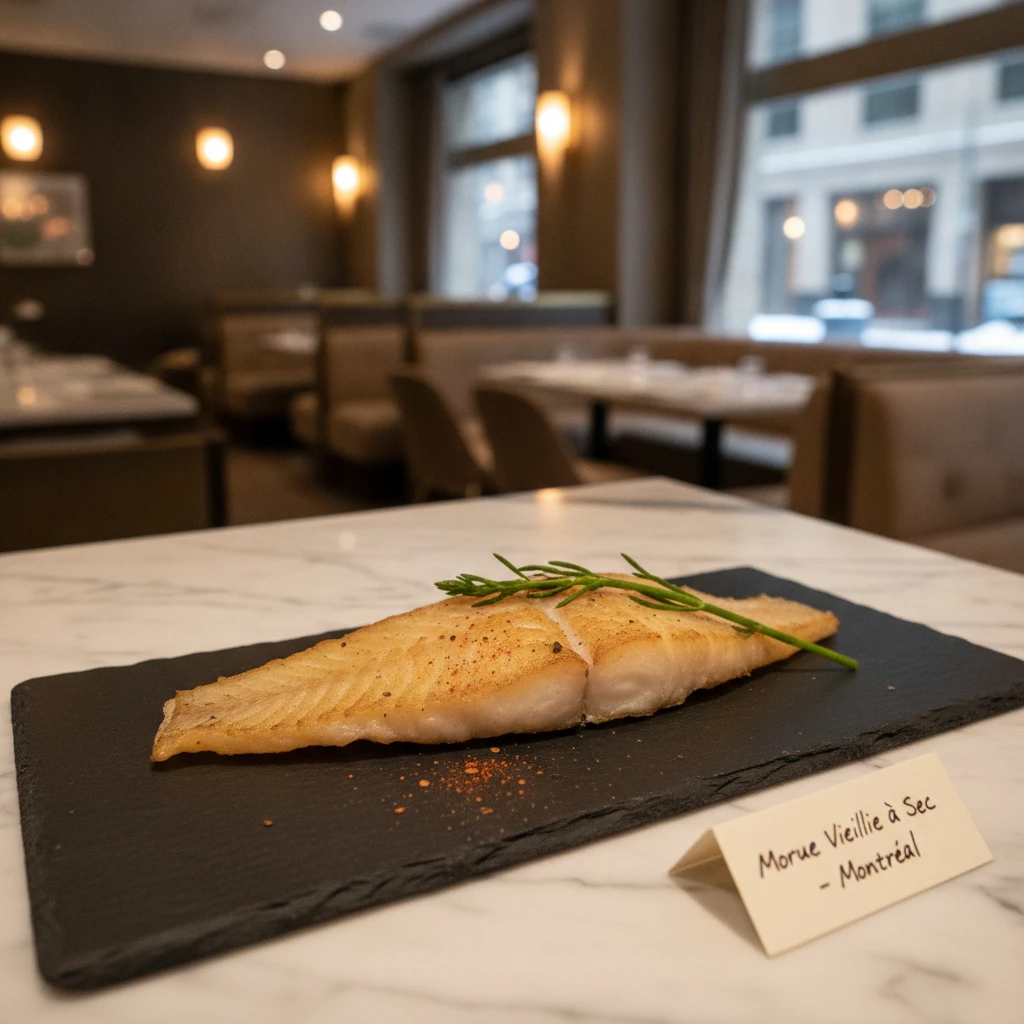
I've watched food trends rise and crash across Montreal for years now, but this dry-aged fish thing? It's different. Started as maybe three or four chefs messing around with technique, and now it's everywhere—positioning our city as the go-to spot in Canada for this kind of specialty seafood. When I first heard someone mention aging fish like you'd age a steak, I thought it sounded... questionable. But then I tried it. That depth of flavor, the way the texture completely transforms—I got it immediately.
What Is Dry-Aged Fish and Why Montreal Is Leading the Movement
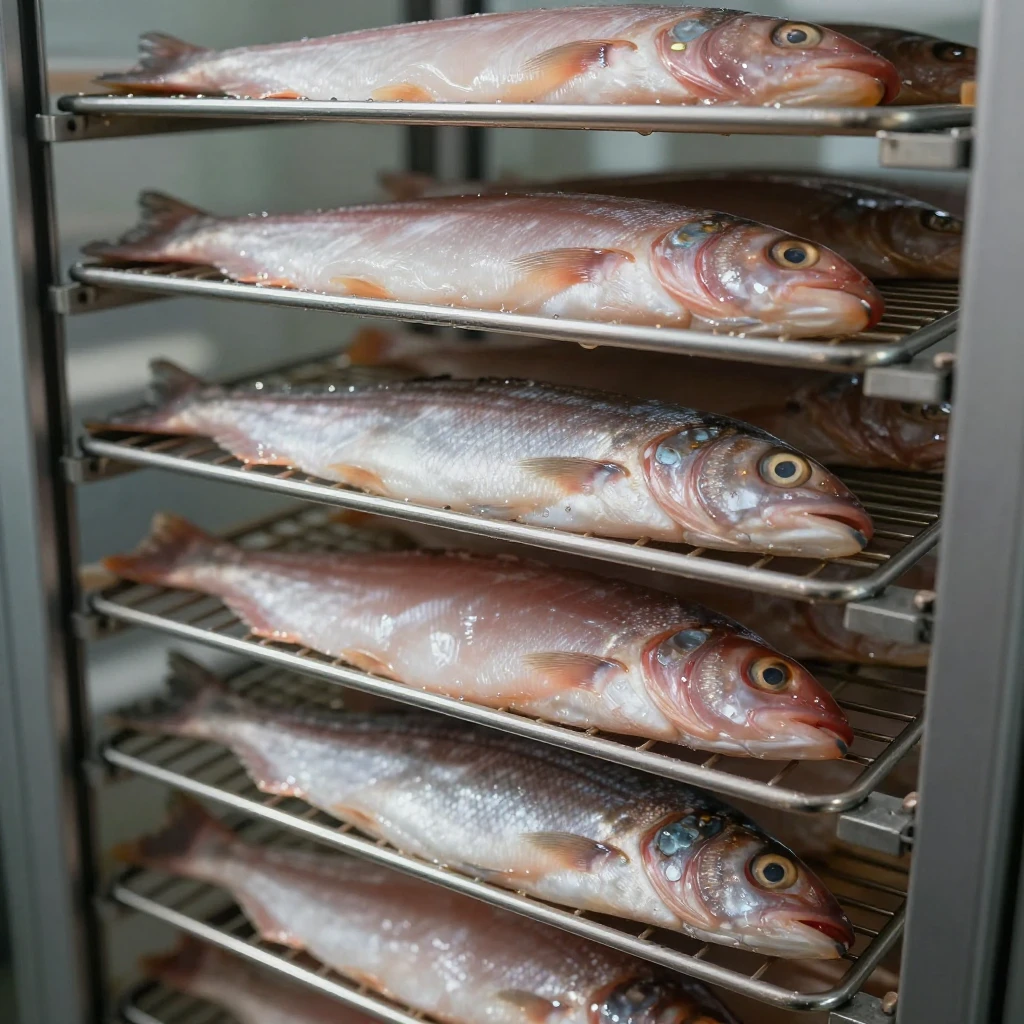
Dry-aged fish is one of those culinary innovations that sounds weird until you understand what's actually happening. You're storing high-quality fish in controlled environments—temperature sits between 0°C and 4°C, humidity locked at 70-80%. The fish stays there anywhere from three days to three weeks depending on the species, and during that time it changes. Flavors concentrate. Umami notes develop that you just can't get from conventionally prepared seafood, no matter how fresh it is.
The technique traces back to traditional Japanese fish prep methods. Master sushi chefs figured this out centuries ago: not all fish tastes best the moment you catch it. The Japanese concept of 'ikejime' and the aging that follows recognize something Western cuisine ignored for a long time—controlled decomposition, when you manage it properly, creates flavor profiles and textures that turn good fish into something extraordinary.
The Science Behind Dry-Aging Seafood
What happens in that aging room is pretty wild. Naturally occurring enzymes start breaking down proteins and connective tissues—autolysis, they call it. This enzymatic activity transforms the fish's structure, making it firmer but somehow more tender at the same time. Meanwhile, moisture evaporates from the flesh, concentrating the inherent flavors and intensifying natural sweetness while building those umami characteristics everyone's chasing.
Moisture reduction typically hits 10-20% depending on how long you age it. And that doesn't just concentrate flavor—it changes how the fish reacts to heat when you cook it. Dry-aged fish gets this beautiful crisp exterior when you sear it, but the interior stays succulent and practically melts. The amino acids that develop during aging create complexity that reminds me more of aged cheese or cured meat than what I normally associate with fish.
How Montreal Became Canada's Dry-Aged Fish Capital
Montreal becoming the epicenter of Canada's dry-aged fish scene wasn't random. This city's always had a culinary culture that mixes innovation with tradition—exactly the right environment for experimental techniques that need both precision and artistic vision. Several things converged in 2026 that made this moment happen.
First, geography. Montreal sits in a position where we get exceptional seafood from Atlantic waters and sustainable suppliers who understand the quality requirements for aging. You can't age mediocre fish and expect magic—this technique demands pristine, sushi-grade specimens as the starting point. Second, our chef community talks to each other. Knowledge spreads fast through professional networks and culinary events. When a few pioneering restaurants started experimenting with dry-aging in late 2025, others followed quickly, each adding their own spin.
Top Specialty Seafood Restaurants Featuring Dry-Aged Fish in Montreal 2026
Montreal's dining scene now has a solid collection of places where dry-aged fish is the main event. One standout is https://www.palomarmtl.ca/, which has built a reputation for their approach to aged seafood preparations and Mediterranean-inspired dishes that show off what this technique can do. Their chefs figured out the optimal aging periods for different species, and their seasonal menu shows they understand how to honor the fish while enhancing those naturally concentrated flavors through smart preparations.
What I like most about Montreal's dry-aged fish restaurants is how different they are from each other. Some go minimalist—serving aged fish as pristine sashimi or simple grilled prep that lets the aging process do the talking. Others build elaborate compositions, pairing the aged seafood with seasonal vegetables, house-made sauces, and creative garnishes that create complete experiences. But the thread across all these places is quality commitment and respect for the time and expertise this requires.
A lot of these specialty restaurants installed visible aging rooms where you can watch the process, which adds an educational element to the meal. I've noticed servers at these places really know their stuff—they can explain the nuances of each aged selection, including where the fish came from, how long it aged, and what preparations work best. That transparency builds trust and helps you make choices that actually match what you're looking for.
What to Expect When Ordering Dry-Aged Fish: Flavors, Textures, and Varieties
If you've never had dry-aged fish, prepare yourself. It's fundamentally different from fresh seafood. The first thing that hits you is the intensity. Fresh fish gives you clean, delicate flavors—dry-aged specimens deliver concentrated, almost meaty characteristics with pronounced umami notes that stick around on your palate. The texture gets firmer and denser, but somehow the fish melts more readily when you bite into it. That's those enzymatic transformations working.
The flavor profile develops complexity that's closer to fine aged cheese or premium dry-aged beef than fish. Nutty undertones, subtle funkiness that sophisticated palates find compelling. There's richness and depth that fresh fish can't achieve, no matter how pristine the quality. Some people describe it as 'more fish than fish'—an intensification of everything that makes that species unique.
Flavor Profiles by Fish Species
Not every fish responds the same way to dry-aging. Part of Montreal's innovation has been figuring out which species deliver the most spectacular results. Halibut is one of the best candidates—after 7-10 days of aging it develops this sweet, buttery intensity that transforms already-premium fish into something transcendent. The firm flesh holds up beautifully, and the mild flavor base gives the aging process a perfect canvas.
Tuna—particularly bluefin and bigeye—becomes extraordinarily concentrated when you age it 10-14 days. Deep red color, texture that approaches beef tenderloin. I've had aged tuna that rivaled top steakhouse cuts in richness and complexity. Striped bass responds well to shorter aging, 5-7 days, its delicate sweetness intensifying without becoming too much. Arctic char, wild salmon, certain snapper species—all proven candidates, each developing unique characteristics that showcase what that species does best, just amplified.
The Health and Sustainability Considerations of Dry-Aged Seafood
People ask me if dry-aged fish is safe, given that we're taught fish should be eaten fresh. Answer: absolutely yes, when proper protocols are followed. The controlled environment, food-safe handling, regulatory oversight—all of it ensures dry-aging enhances rather than compromises safety. The reduced moisture actually creates conditions less favorable for harmful bacterial growth, and careful monitoring prevents issues.
Nutritionally, dry-aged fish retains the omega-3s, high-quality protein, and essential nutrients that make seafood healthy. The concentration of flavors means you're often satisfied with smaller portions—the intensity delivers more impact per bite. I've noticed dry-aged preparations feel more satiating than equivalent fresh fish meals, possibly because enhanced umami triggers satiety signals more effectively.
The sustainability angle is compelling. By maximizing the value and culinary potential of each fish, dry-aging supports more sustainable fishing practices. When a single specimen can command premium prices and deliver exceptional dining experiences, it justifies sourcing from responsible fisheries that prioritize quality over quantity. This economic model encourages sustainable practices and reduces waste—aged fish is too valuable to squander, so every part gets used thoughtfully.
How to Pair Dry-Aged Fish: Wine, Sake, and Cocktail Recommendations
Pairing beverages with dry-aged fish requires rethinking conventional wisdom about seafood and wine. The concentrated, umami-rich characteristics can overwhelm delicate white wines that typically accompany fresh preparations. Fuller-bodied whites with substantial texture work better—aged white Burgundy, textured Chenin Blanc from Loire Valley, or skin-contact orange wines that have the structure to match the fish's intensity.
If you enjoy red wine, dry-aged fish opens possibilities fresh seafood doesn't support. Light to medium-bodied reds like Pinot Noir, Gamay, even chilled Beaujolais can complement aged tuna or salmon remarkably well, especially when the fish gets a good sear. The key is avoiding heavy tannins that might clash, while embracing wines with bright acidity and fruit-forward profiles that can dance alongside those concentrated flavors.
Sake is perhaps the most natural pairing, given the technique's Japanese origins. Junmai styles with rich, full-bodied character match the umami intensity beautifully. Aged sake varieties create fascinating flavor synergies with aged seafood. I'm particularly fond of kimoto and yamahai styles—complex, savory profiles that complement the fish without competing for attention.
Montreal bartenders have adapted too, creating drinks specifically designed for dry-aged fish courses. Dry martinis with quality vermouth, sherry-based cocktails, umami-forward creations incorporating ingredients like miso or seaweed—sophisticated liquid accompaniments that enhance rather than mask the fish's flavors.
Planning Your Montreal Dry-Aged Seafood Experience: Insider Tips
If you're planning to explore Montreal's dry-aged fish scene, a few tips will help. Make reservations well ahead, especially for weekend evenings. These specialty seafood restaurants have become extremely popular in 2026, and the best seats—particularly those near visible aging rooms or chef's counters—book fast.
When you arrive, engage with your server about the day's aged selections. Ask about aging durations, which supplier provided the fish, what preparations the chef recommends for each specimen. The staff at these places genuinely want to guide you toward choices that match your preferences, and their insights are invaluable. If you're new to dry-aged fish, consider starting with a moderately aged option (5-7 days) rather than jumping straight to the most extensively aged selections. Let your palate appreciate the progression.
Price-wise, expect premium rates comparable to high-end steakhouses. A dry-aged fish entrée typically runs $45-$85 depending on species and preparation. Tasting menus featuring multiple aged selections run $120-$200 per person. It's a significant investment, but you're paying for exceptional raw materials, specialized expertise, and a dining experience that remains relatively rare even in major culinary cities.
Timing matters. Many restaurants receive fish deliveries and complete aging cycles on specific schedules, so selection varies throughout the week. I've found Thursday through Saturday typically offers the broadest range of aged options, as restaurants prepare for weekend demand. Some places also offer lunch service where you can experience dry-aged fish at slightly lower price points—a more accessible entry point if you're curious.
The Future of Specialty Seafood in Canada: Trends Beyond 2026
Looking toward the future of Canada's culinary landscape, I'm convinced Montreal's dry-aged fish revolution is more than a passing trend. It's a fundamental shift in how we approach seafood preparation and appreciation. The techniques and knowledge developing here are already spreading to other Canadian cities—Toronto, Vancouver, Calgary chefs beginning to experiment with aging protocols adapted to their local seafood supplies and dining cultures.
I'm seeing emerging variations as chefs push boundaries further. Some experiment with different aging mediums, incorporating hay, kombu, or other materials that impart subtle flavors during the process. Others explore hybrid approaches that combine dry-aging with traditional curing or smoking techniques, creating entirely new flavor territories. The intersection of dry-aging with other preservation methods like koji fermentation is producing particularly exciting results that hint at future directions.
The educational aspect will likely expand, with specialized courses and certifications emerging to standardize best practices and ensure food safety across the industry. I anticipate more collaboration between Montreal's aged fish experts and culinary schools, spreading knowledge to the next generation of chefs who'll carry these techniques forward and keep innovating.
What excites me most is how this movement is changing consumer expectations and appreciation for seafood quality. Diners are getting more sophisticated, asking informed questions about sourcing, aging methods, optimal preparations. This elevated awareness supports better fishing practices, encourages transparency in supply chains, and drives the entire Canadian seafood industry toward higher standards. Montreal may have ignited this revolution, but its impact will resonate throughout Canada's culinary culture for years to come, fundamentally transforming how we experience one of the ocean's greatest gifts.